

About Heat Trace Cable
The Problem: How Ice Builds Up on a Roof
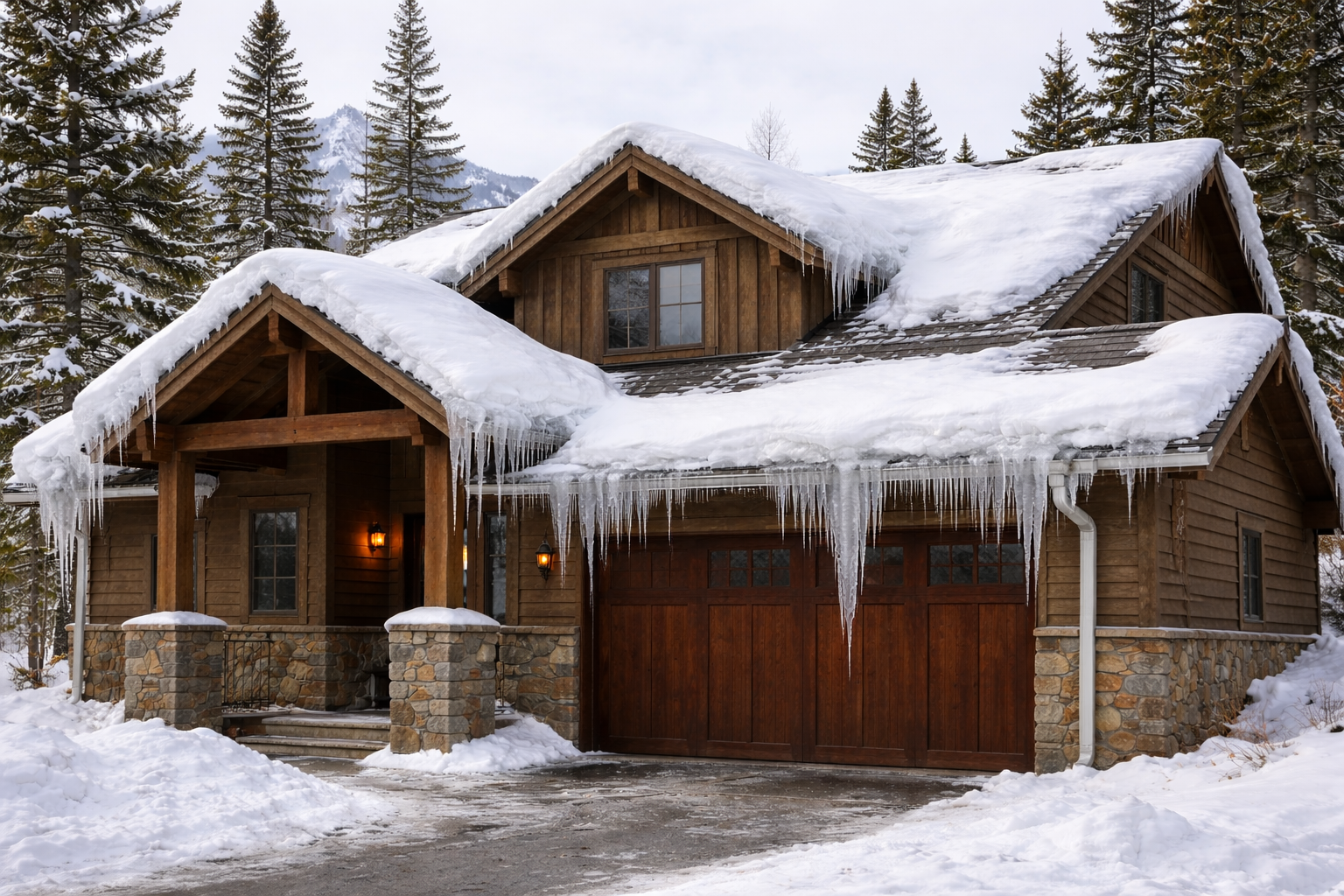
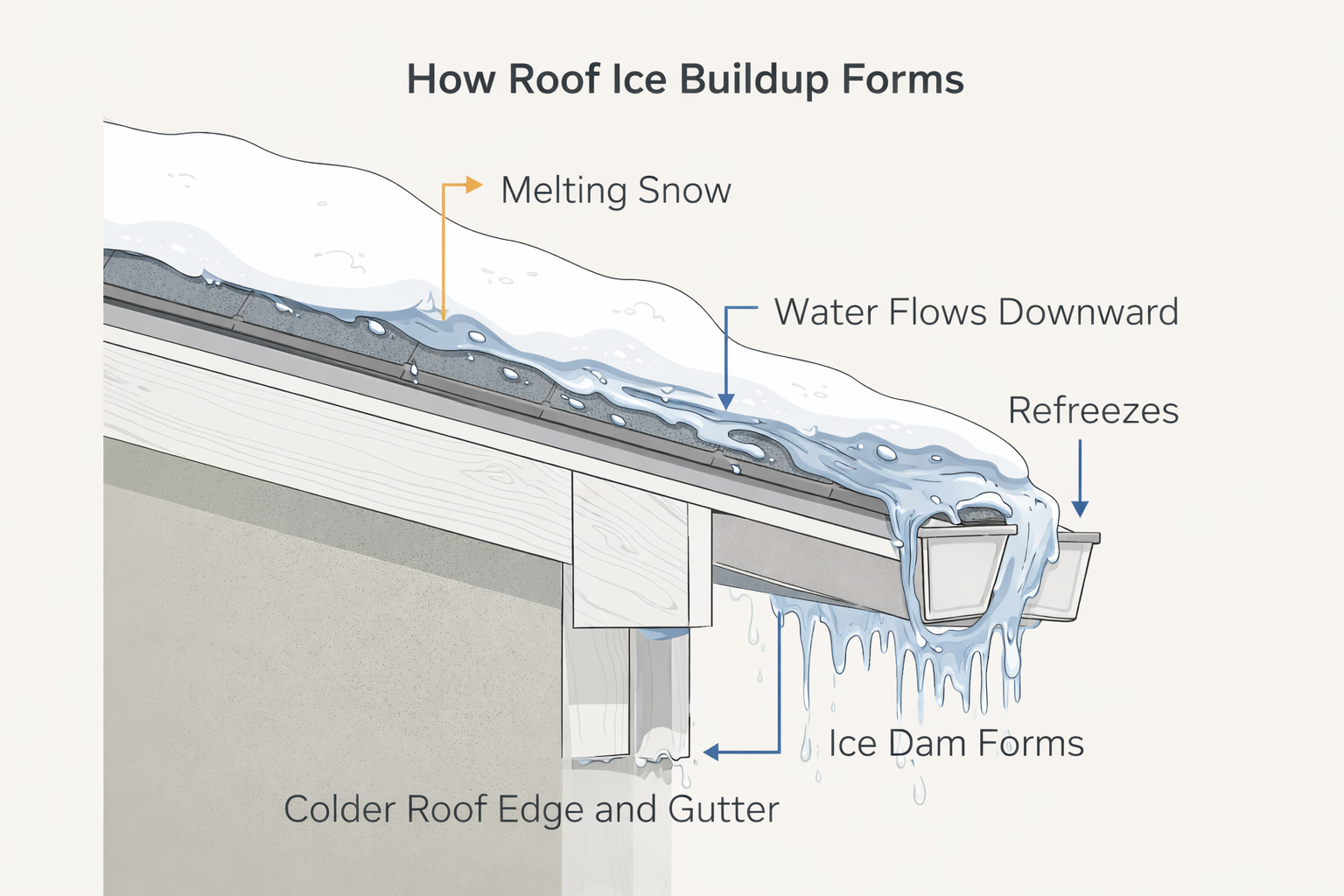
Ice buildup usually starts with a simple pattern: snow melts in one area and refreezes in another.
Warmer sections of the roof can begin melting snow because of sun exposure, interior heat loss, roof design, or changing outdoor temperatures. That melted water runs down toward colder roof edges, gutters, valleys, and downspouts. Once it reaches those colder areas, it can freeze again.
Over time, that cycle creates buildup along the roofline and drainage paths. As more water refreezes, it can lead to heavy ice formation, blocked drainage, overflowing gutters, and water backing up where it should not.
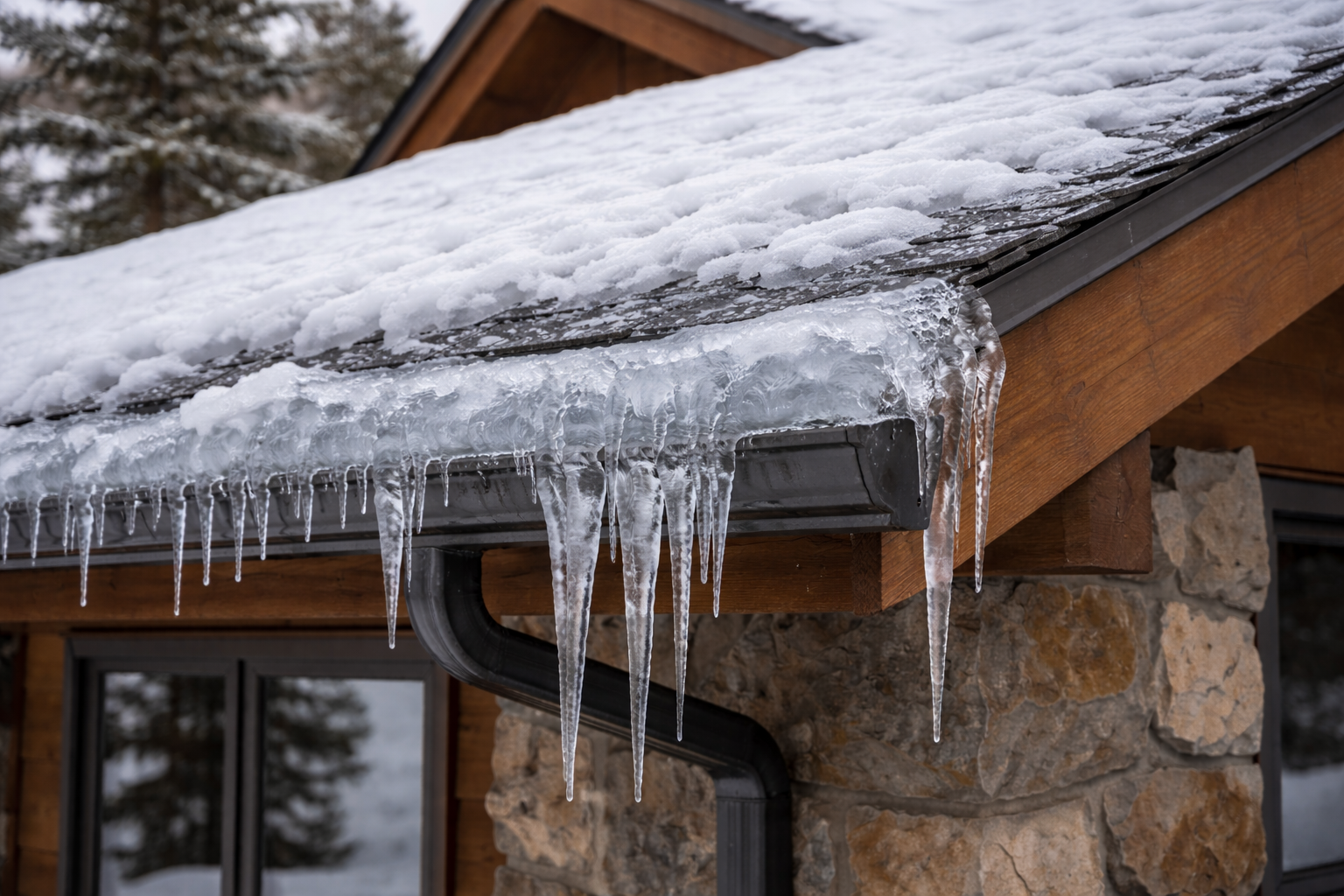
Why That Becomes a Bigger Issue
Ice on a roof is not always just a cosmetic winter problem.
As buildup grows, it can contribute to:
blocked gutters and downspouts
water backing up near the roof edge
excess weight and stress on drainage areas
slippery or dangerous falling ice
moisture intrusion and damage around vulnerable roof areas
For mountain-area homes and snow-prone properties, these issues can repeat season after season if the underlying problem areas are not addressed.
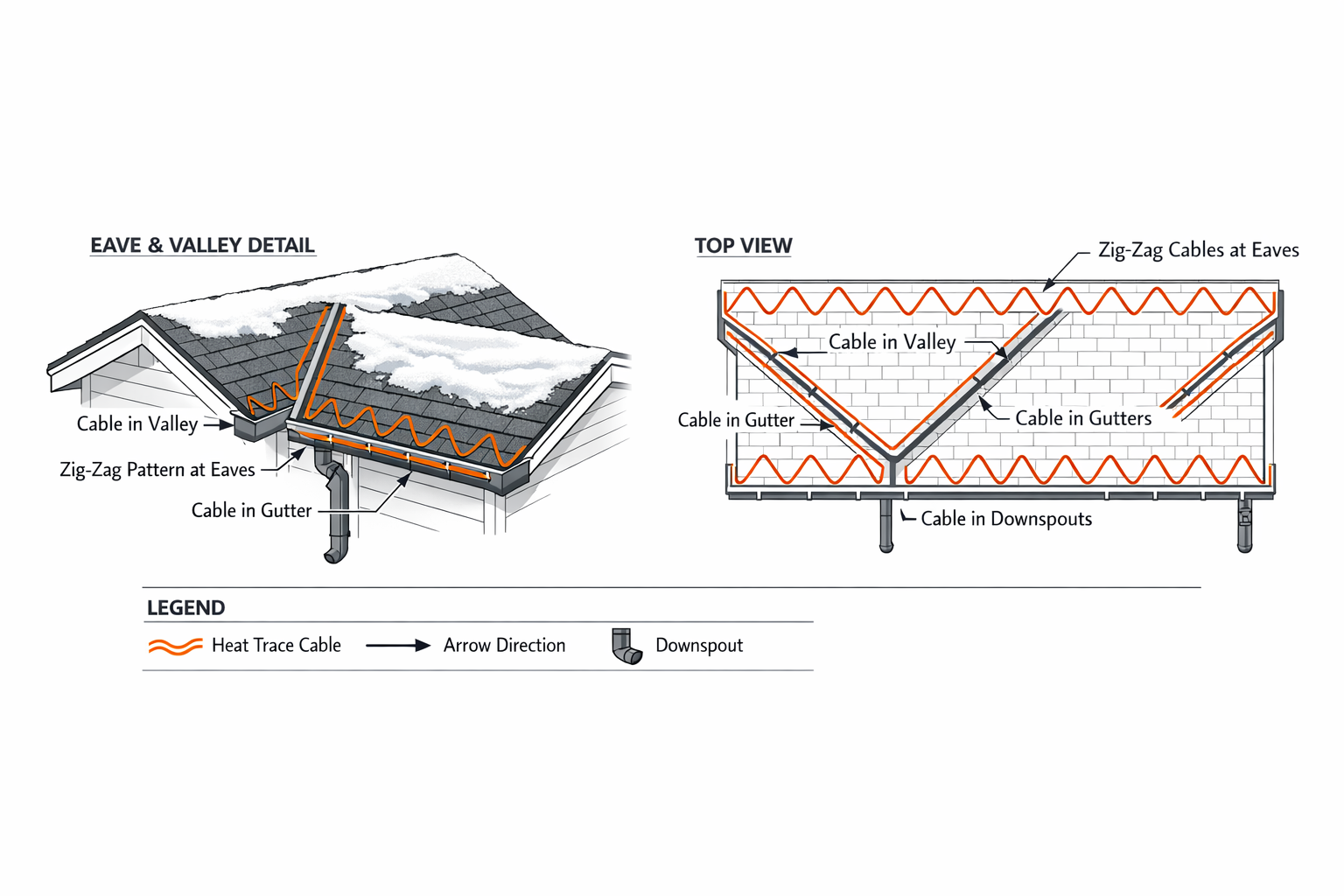
Heat trace cable is designed to help keep critical drainage paths open during freezing conditions.
Installed in the right locations, it helps create channels for melting snow and water to move through roof edges, gutters, valleys, and downspouts instead of refreezing and building up in the wrong places.
The goal is not to “heat the entire roof.”
The goal is to protect the specific areas where freezing and drainage problems typically happen.
When designed for the actual property conditions, heat trace can help reduce recurring ice buildup and improve how water moves off the roof during winter weather.
The Solution: What Heat Trace Cable Does
Why Proper Design Matters
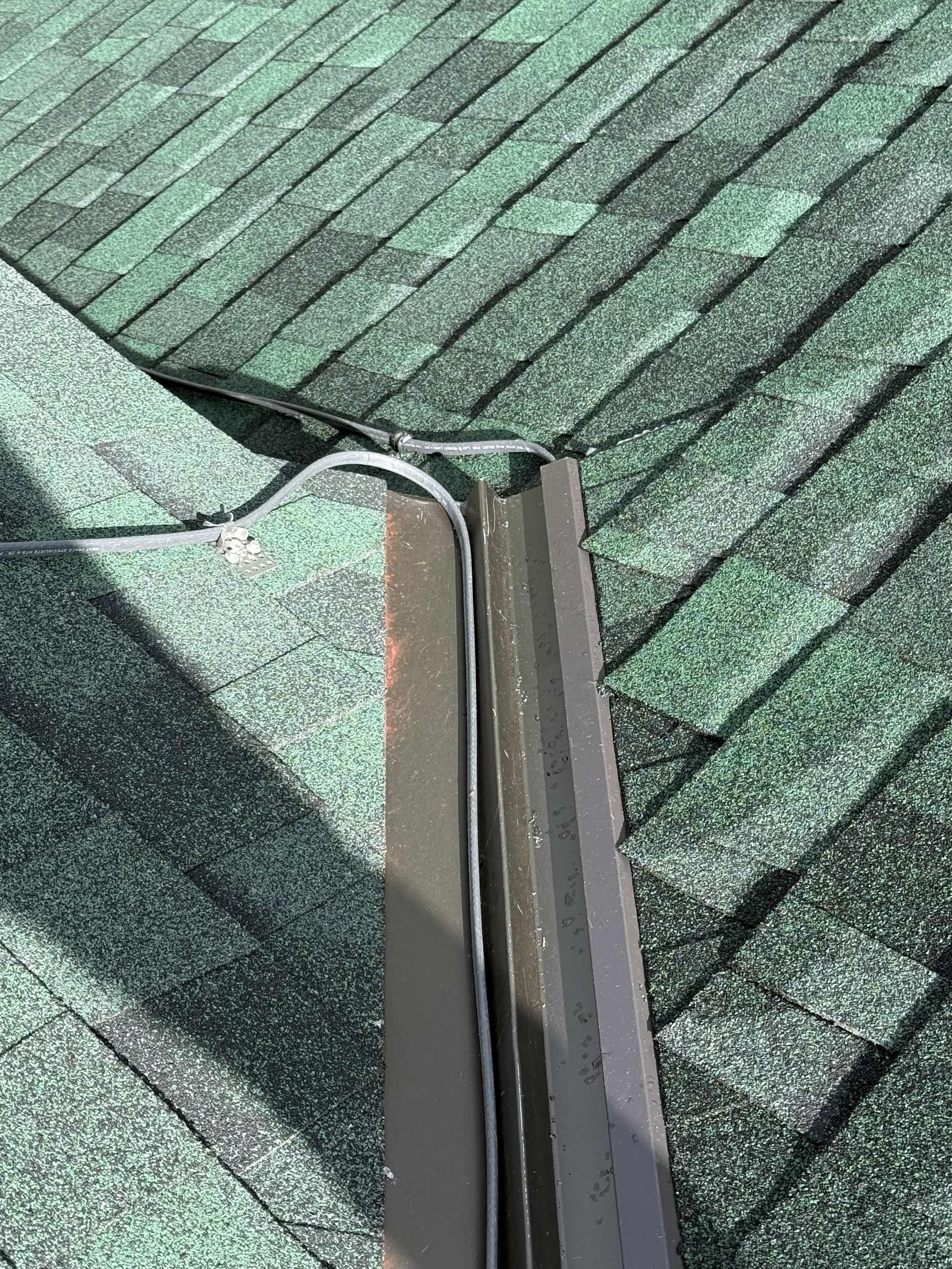
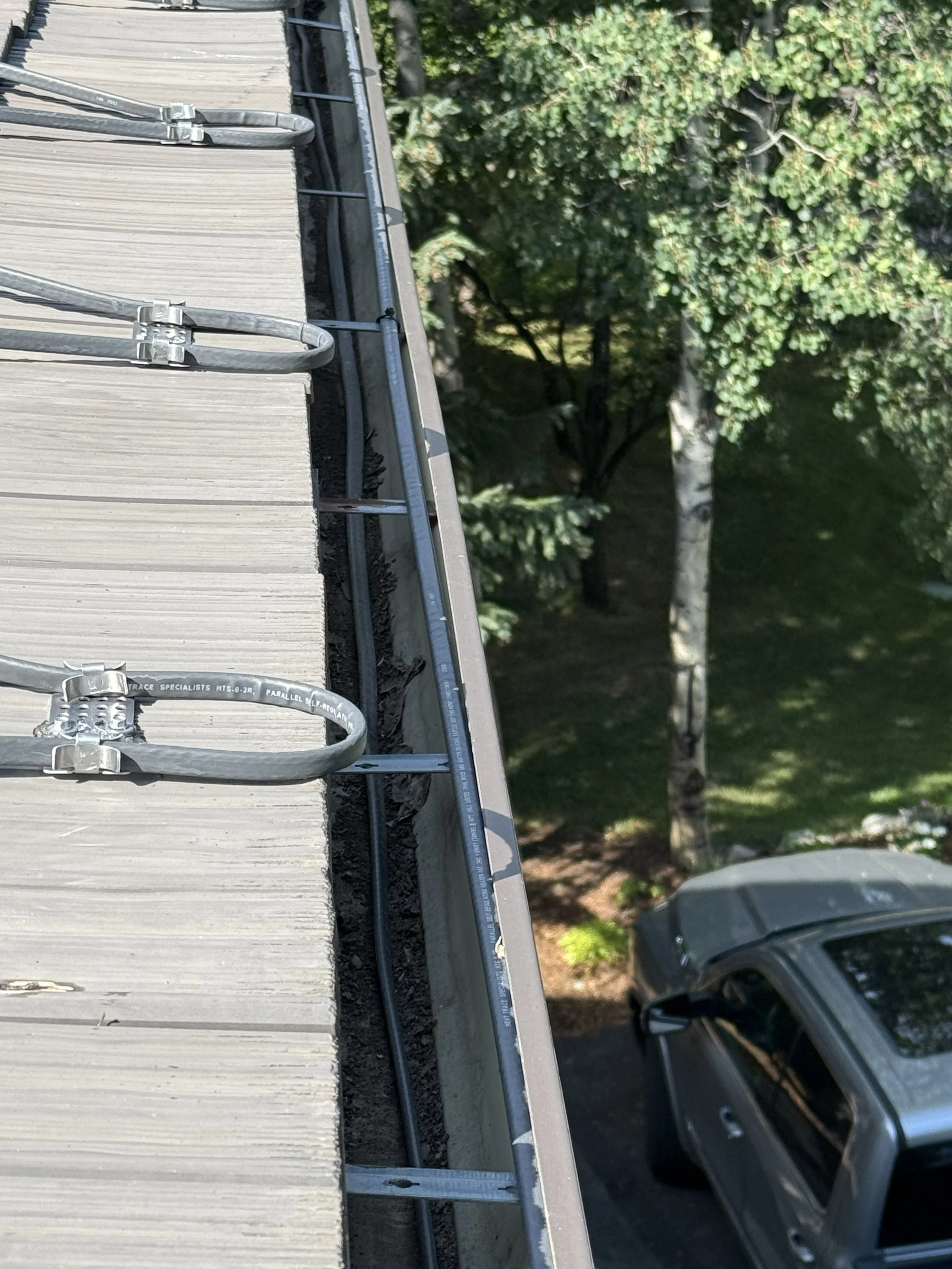
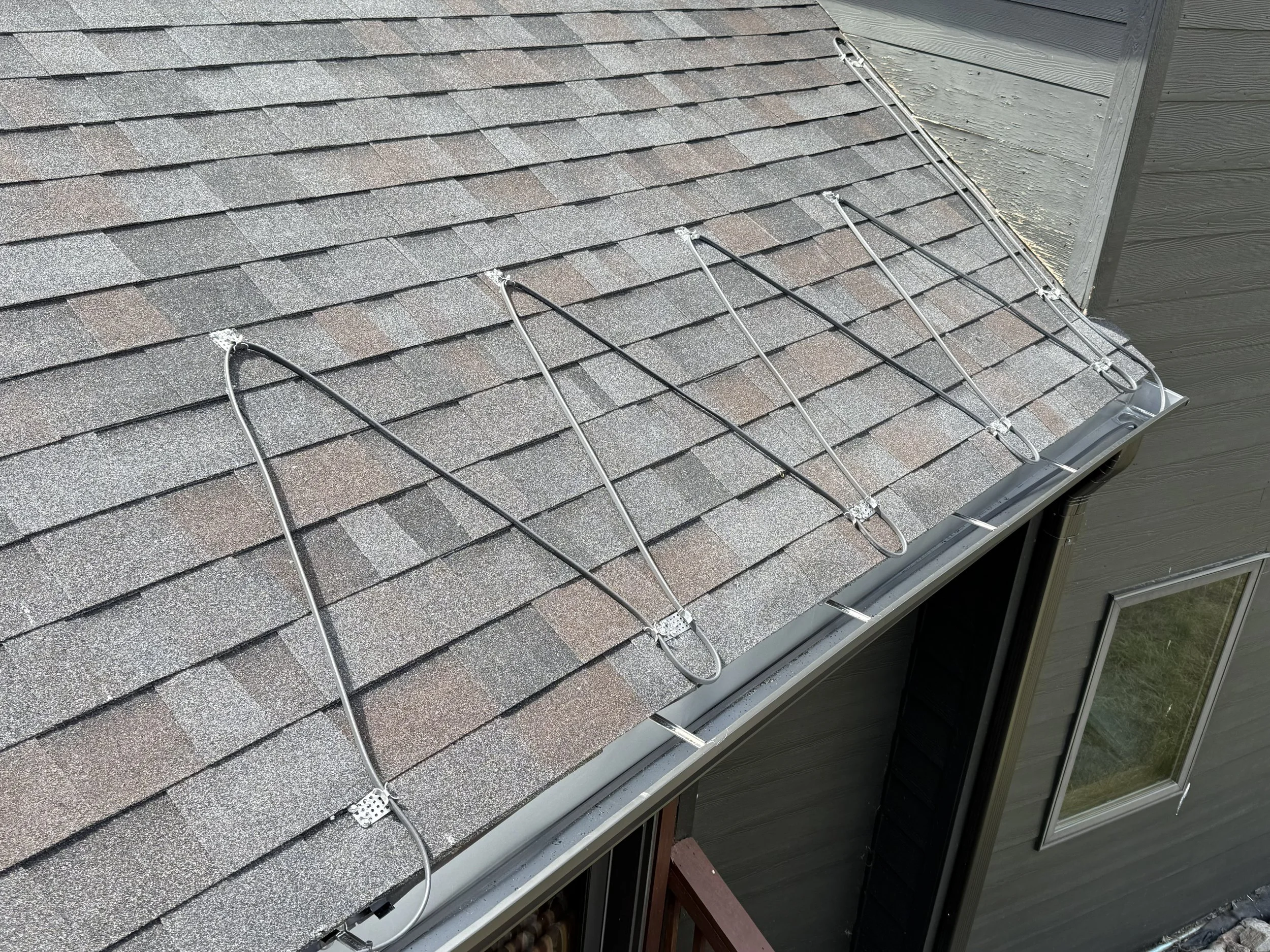
Not every roof should be treated the same way.
A good heat trace system depends on the actual layout and conditions of the property, including:
roof shape and slope
valleys and overhangs
gutter and downspout layout
snow exposure and freeze zones
access to power
overall installation conditions
That is why we believe in evaluating the property or reviewing drawings before recommending a system. A rushed guess or one-size-fits-all quote can miss important details that affect performance.
Our Approach
At Unity Services, we take a practical, property-specific approach to heat trace. We start by understanding the real conditions — through an on-site visit or drawing review — then plan the cable layout, review system needs, coordinate with providers when needed, and include any electrical recommendations or adjustments that may be required.
Our goal is to give homeowners, roofers, and property managers clear answers, fair recommendations, and a system that makes sense for the actual property.
Want to Know If Heat Trace Makes Sense for Your Property?
We’re happy to review the situation, answer your questions, and help you understand the best next step.